Introduction: The Importance of Bedside Monitors and Non‑Volatile Memory
Bedside monitors are essential devices in hospitals and medical facilities for monitoring patients’ vital signs in real time. These monitors continuously record data such as heart rate, blood pressure, and oxygen saturation, and immediately notify medical staff when abnormalities are detected.
In such medical devices, non‑volatile memory (NVM) plays a crucial role. Non‑volatile memory is memory that can retain data even when the power is turned off, and it is used to store configuration settings and patient data. In particular, medical equipment requires a high level of safety and reliability, making the selection of high‑quality non‑volatile memory extremely important.
Typical applications of non‑volatile memory in medical devices include storing device configuration settings, long‑term recording of patient data, and management of alarm settings. These functions are indispensable elements for improving the quality of medical care.
Practical Use Cases of Non‑Volatile Memory
Storage and Restoration of Configuration Settings
Bedside monitors contain many configurable parameters. These include measurement intervals, alarm threshold values, and customized settings for specific patients.
By storing these settings in non‑volatile memory, the device can retain the previous configuration even after the power is turned off. This eliminates the need for medical staff to reconfigure the device each time it is powered on, reducing workload and preventing configuration errors.
Long‑Term Storage of Patient Data
Some bedside monitors are capable of recording patients’ vital signs over long periods so that the data can be reviewed and analyzed later.
When this data is stored in non‑volatile memory, the risk of data loss due to power failures or system errors is minimized. This ensures that important patient information is preserved even under unexpected operating conditions.
Retention and Management of Alarm Settings
Bedside monitors are equipped with alarm functions that alert medical staff when abnormal values are detected. Alarm thresholds and volume settings are also stored in non‑volatile memory, enabling appropriate management tailored to each patient.
This function plays an especially important role in maintaining consistency of settings when different medical staff members operate the device across multiple shifts.
Key Points When Selecting Non‑Volatile Memory
Data Retention Reliability and Lifetime
Non‑volatile memory used in medical devices must provide high reliability. Memory technologies with limited rewrite lifetimes, such as flash memory, require careful design consideration for long‑term use.
When selecting memory, it is important to choose devices that offer long data retention periods and low error rates.
Rewrite Endurance and Durability
Depending on the type of non‑volatile memory, there may be limitations on the number of rewrite cycles. For example, flash memory has a finite rewrite endurance, which can become a concern in environments where data is frequently updated.
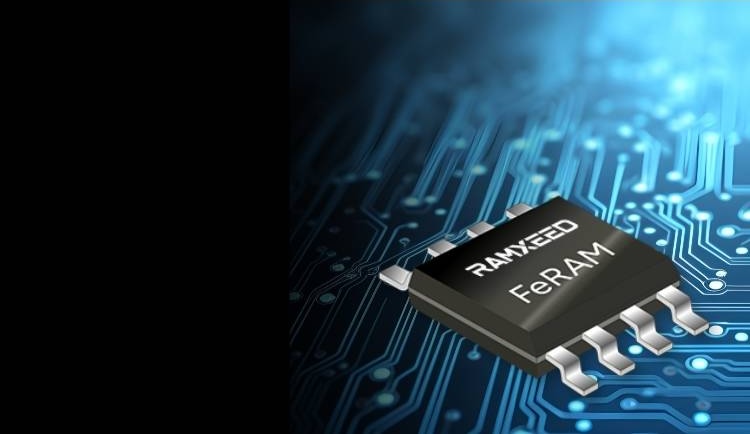
For this reason, alternatives such as FRAM (FeRAM, ferroelectric memory) and MRAM (magnetic memory), which offer high rewrite endurance, should also be considered.
Operation During Power Loss and Data Protection
In medical environments, sudden power outages or unintended power interruptions due to operational errors can occur. Therefore, it is essential to use non‑volatile memory that can reliably retain data even when power is lost.
Additionally, using memory equipped with error correction code (ECC) functionality can further enhance data reliability.
Conclusion
Non‑volatile memory in bedside monitors is an indispensable element for improving patient safety and the quality of medical care. It ensures reliable storage of critical data such as configuration settings, patient information, and alarm parameters, enabling stable system operation.
Looking ahead, the development of non‑volatile memory with higher durability and faster write speeds is progressing. For example, FRAM and MRAM offer longer rewrite lifetimes and lower power consumption compared to conventional flash memory, making them highly promising for medical device applications.
By selecting and managing appropriate memory solutions, manufacturers can improve the reliability of bedside monitors and provide an optimal medical environment for patients.